
Description
Three low levels for a compact idol display
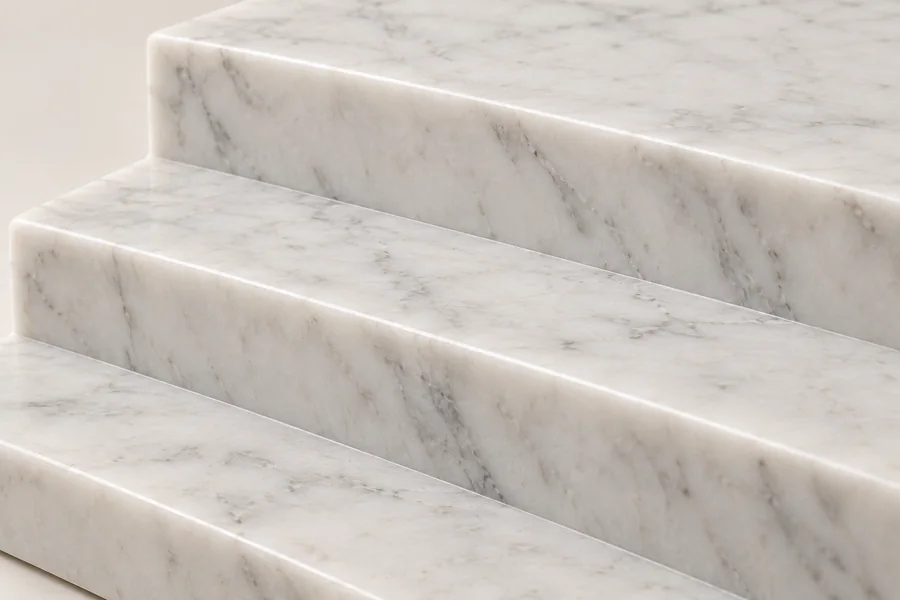
The marble idol display steps proposal creates a small rectangular plinth with three broad tiers. The height changes can make individual pieces visible within a devotional shelf arrangement while keeping them part of one display.
Match each tread to an idol base
The suggested outside size is approximately 30 × 20 × 14 cm. Confirm each usable step depth and width separately, using the dimensions and weights of the intended idols. The overall footprint alone does not establish that an object will sit fully on a particular tier.
Choose the final white marble and finish for the pooja shelf. Agree support and stability with the maker and keep lamps or hot vessels in separately suitable arrangements. The design illustration provides no tested load rating or direct-flame approval.
Plan each level as its own display area
Three tiers create three separate decisions about usable space. Measure the base of every idol you want to display and note which one belongs on each level. A wide overall platform does not mean that every tread has enough depth for a particular base. Ask the maker to show the usable width and depth of all three levels in a drawing, including any edge or transition that reduces the flat area.
Think about what will be visible from the front. A taller figure on the lowest tier could obscure a shorter one above it, even though the upper tier is raised. A simple sketch using the approximate heights of your own figures can help test the arrangement. The purpose is to plan the whole group, rather than assume that three levels automatically make every object visible.
Check height within a shelf or niche
Add the height of the intended idol to the elevation of the tier beneath it. Compare the highest resulting point with the available niche height, leaving room for handling. If there is an overhead shelf or canopy, share its depth as well as its height. The suggested 14 cm total platform height is a planning reference and does not specify the rise between individual levels.
Also consider the view from your usual prayer position. A stepped arrangement on a high shelf may be seen mainly from below, while a low arrangement reveals more of the top surfaces. Tell the maker whether the piece will be viewed while seated or standing. Photographs of the location can help explain those relationships without treating the illustrated camera angle as the only possible display view.
Support and access belong in the design discussion
Provide the individual and combined weights of the intended objects so the maker can review the proposed stone platform. Confirm the underside footprint and whether any protective layer is included. Every object should be assessed against its actual contact area on the tread. This concept does not provide a load rating or establish that objects can safely overhang the front of a tier.
Leave space to lift each idol without catching the one beside it or the level above. If your arrangement changes during festivals, explain that use and ask how the stepped piece should be handled when empty. Consider the cleaning access at the back of each tier. A display that fits tightly against a wall may be difficult to reach without moving the whole stone base.
Compare a grouped display with a single platform
For one main devotional object, the square chowki with carved feet offers a different type of raised display. The lotus-bordered circular chowki places the decorative detail around a single top. These alternatives can help you decide whether the arrangement benefits from several levels or from one clear focal point. They are separate designs with their own usable areas and dimensions.
If you choose the stepped layout, decide whether the marble should act as a quiet background or a more visible part of the composition. Ask about the actual material and finish rather than assuming the AI image represents a particular piece of stone. Vein movement may cross the different levels in a way that differs from the illustration, so review the supplier’s material information before approval.
Keep the tiers practical to maintain
Ask how to clean the corners where a tread meets the next rise, especially if flowers or coloured offerings will be used nearby. The Natural Stone Institute consumer care guide provides general background. Confirm the finish-specific instructions with the maker. Include the tier layout, intended objects, shelf clearance and included protection in the written order so the proposal reflects your actual display.
Send a tier layout through the idol-steps quotation request. Confirm final sizes, included items and price before making. The images are AI-generated design concepts, with idols supplied only when specifically listed in the quotation.


Reviews
There are no reviews yet.